Regenerative agriculture emphasizes practices that enhance soil health and improve crop yields by working with natural systems. By adding organic matter, reducing erosion, and diversifying crops, farmers build richer, more resilient soil that boosts harvests.
- Cover Cropping: Planting cover crops (e.g. legumes or grasses) keeps soil covered year-round, which slows erosion and adds organic matters. Legume covers fix nitrogen, reducing fertilizer needs. Over time cover crops improve soil structure and moisture. Studies show cover cropping can raise yields (roughly a 3% gain in corn). In short, cover cropping enriches soil health and directly translates into higher yields.
- No-Till Farming: Avoiding plowing conserves soil structure and organic residues. No-till systems reduce disturbance and prevent erosion by ~80 retaining more water and nutrients. Additionally, this healthier soil environment supports stronger root growth. Farmers often see yield gains as soils recover — one report notes improved soil health from no-till can help “boost crop yields” while cutting fuel and labor costs.
- Crop Rotation & Diversity: Varying crops from season to season balances nutrient use and disrupts pests. For example, rotating in nitrogen-fixing beans replenishes soil fertility. Research finds rotation raises productivity: a two-year rotation gave ~29% higher corn yields than continuous corn, and a four-year rotation (including legumes) saw ~48% gains. This diversity makes fields more resilient and directly boosts crop yields.
- Composting & Organic Amendments: Adding compost or manure returns carbon and nutrients to the soil. Higher soil organic matter improves water-holding capacity, nutrient supply, and microbial life. Soils rich in organic matter consistently yield more. In practice, using compost rebuilds soil fertility in a regenerative way, supporting stronger harvests over time.
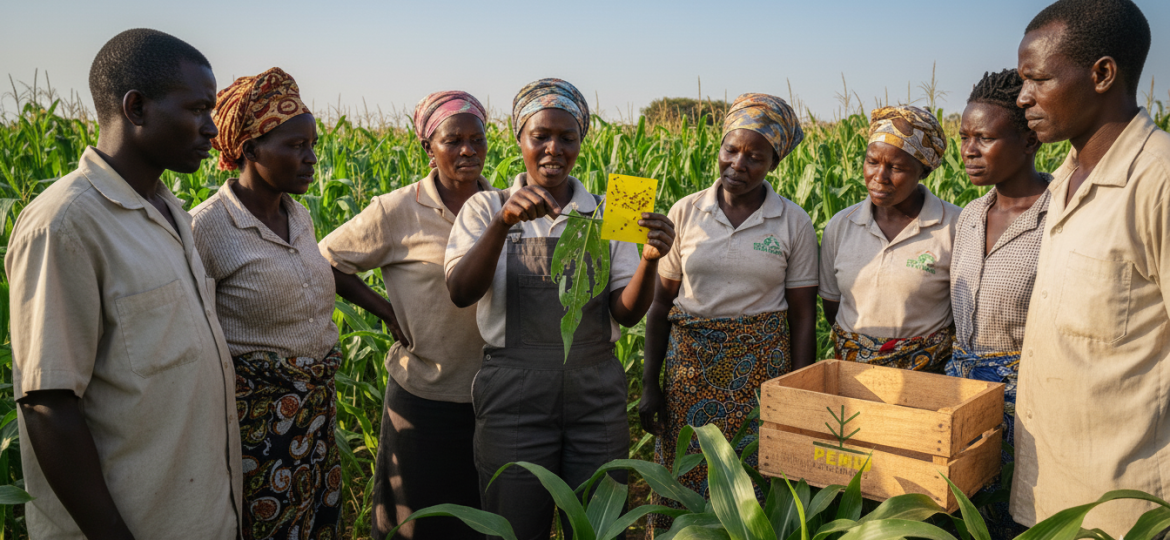
- Agroforestry & Grazing Integration: Combining trees, shrubs or livestock with crops (e.g., silvopasture) boosts biodiversity and ground cover. Roots and grasses hold soil in place, increase moisture, and recycle nutrients These systems also sequester carbon and build organic matter. In practice, such methods have led to big yield jumps — for example, a Tanzanian project saw maize yields rise ~35% and vegetable yields ~40% using regenerative techniques
Each of these practices feeds the soil’s natural life, leading to better structure and nutrient cycling In turn, fields become more productive and resilient — yielding more crops on less land.