
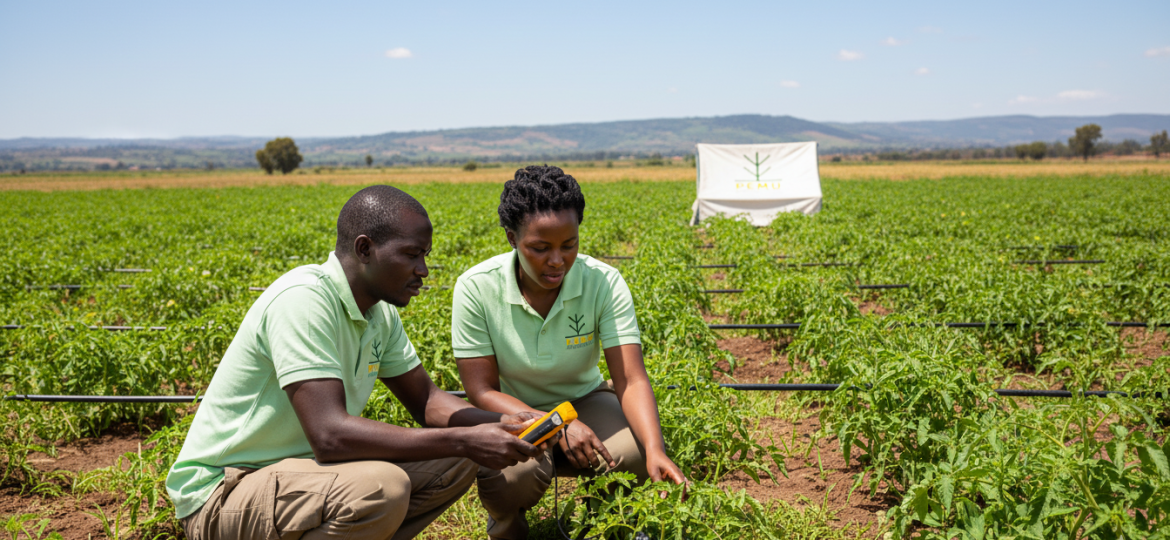
Across Africa, smallholder farmers face shrinking soil fertility, water scarcity and climate extremes. Regenerative agriculture offers a resilient solution by rebuilding soil health and boosting yields. Farm Africa reports that farmers in Kenya have seen dramatic gains in yields, incomes and resilience to climate shocks through regenerative practices. These practices include mulching, cover cropping and organic amendments that restore degraded land.
In practice, techniques like mulching crop residues, using organic manure and precise micro-dosing of fertilizer help African farmers grow more food on the same land. For example, one Tanzanian farmer doubled his maize harvest in two seasons—going from 18 to 56 sacks—by adopting conservation agriculture techniques. Programs by organizations like Farm Africa and The Nature Conservancy have trained thousands of farmers in these methods. As a result, over 50,000 Kenyan farmers are adopting regenerative practices that restore soil health, conserve water and boost profits.
Moreover, regenerative farming is climate-smart and sustainable by design. Practices like cover cropping and agroforestry sequester carbon and improve water retention. Healthier soil holds more nutrients and moisture, improving drought resilience and stabilizing yields. Diversifying crops and reducing tillage create more balanced ecosystems on farms.
In summary, regenerative farming is gaining ground because it meets Africa’s needs for food security, climate adaptation and sustainable growth. By working with nature, these practices turn degraded fields into valuable assets. In Africa’s future farming landscape, resilient fertile soils will underpin stronger harvests and livelihoods.